
Each year on September 30, we wear orange shirts to honour survivors of residential schools, the children who never came home, and their families and communities. But the meaning of this day often gets lost.
Last year, I seen many posts from organizations and corporations treating Truth and Reconciliation Day like it was some kind of holiday. Balloons, cheerful graphics, and bright slogans. It really struck me how much people are missing the mark.
Truth and Reconciliation Day is not a holiday. It is not a parade. It is not something to celebrate.
It is a day to remember and to learn.
It is a day to sit with the truth of this country’s past, the forced assimilation, the intergenerational trauma, and the resilience of Indigenous Peoples who survived.
Even for Indigenous people, this day can feel complicated. Some of us joke darkly about “trauma donuts” sold at Tim Hortons, or notice how the shirt becomes more about the product than the purpose. Businesses might sell orange shirts, donuts, or merch to “participate” in the day, but without real connection to survivors, communities, or reconciliation. The truth is, this day carries the weight of our grandparents’ and parents’ experiences in residential schools, the silence many of them were forced to keep, and the intergenerational trauma that still affects our families today. When we walk in orange shirts, it is not a parade. It is an act of remembrance. It is grief. It is resilience. And it is also a call to the rest of Canada to walk with us in a real way — through listening, understanding, and change.
The heart of this day is not about convenience or consumerism. It is about courage. The courage to listen to survivors’ stories, to face the hard truths of genocide, and to carry forward the work of reconciliation in ways that are authentic, respectful, and rooted in action.
At GIDT, we believe reconciliation begins with relationships. With listening, with creating space for truth, and with working alongside Indigenous communities to build a healthier, more just future.
So today, we invite you to do more than wear orange.
- Take time to learn about the history of residential schools.
- Listen to survivors and their families.
- Reflect on what reconciliation looks like in your own life and work.
- Commit to ongoing action, not just recognition once a year.
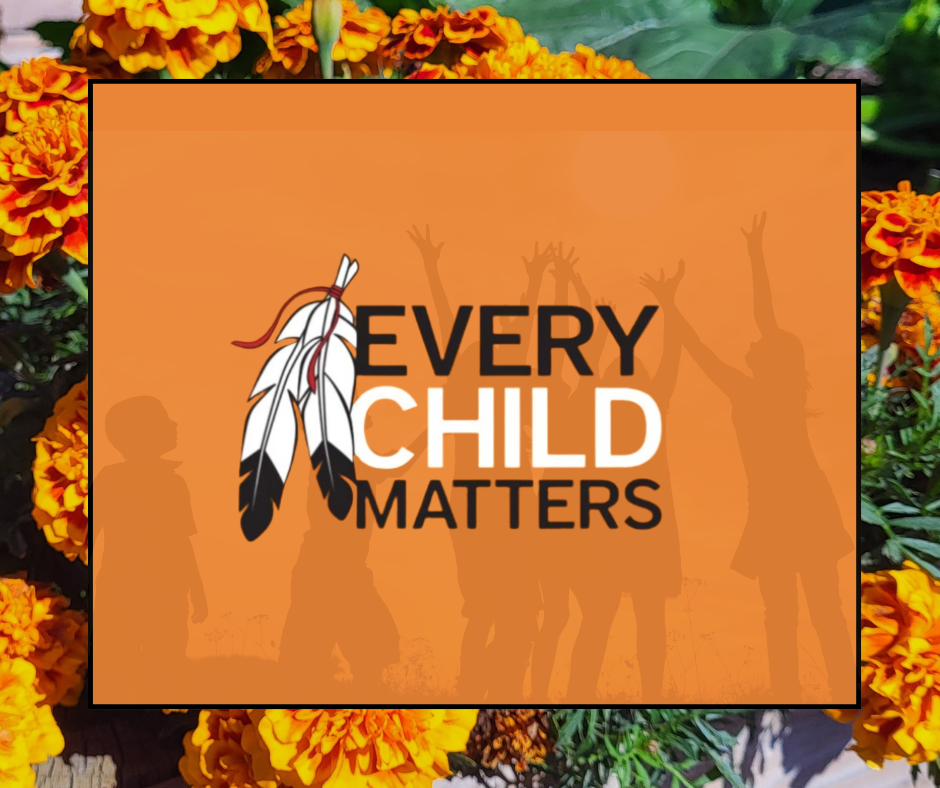
Orange Shirt Day carries a simple but powerful message: Every Child Matters. Let’s honour that truth with humility, respect, and action, not celebration.
Resources to Learn More
If you would like to deepen your understanding, here are some resources to begin with:
Niindahlohke — a book about the Mt. Elgin Industrial School near the Munsee community, now transformed into a community art and recreation centre.
The Children Remembered — a collection of archives and resources about residential schools.
A Knock on the Door: The Essential History of Residential Schools from the Truth and Reconciliation Commission of Canada — an abridged and accessible history compiled from the TRC’s reports and accounts, suitable for the general public and students.


